Olea europaea is a cosmetic ingredient traditionally used in skin products for face and body and in specific hair formulations. An ally for all skin types, even the most sensitive, it is rich in natural antioxidants.
Olea europaea in cosmetics:
Due to its anti-inflammatory and soothing properties, it is used in cosmetic products for skin prone to redness and inflammation.
It fights cellular ageing by countering the oxidative damage caused by free radicals and softening the signs of ageing on the skin.
It is an ally of the skin barrier against environmental stresses such as pollution and UV damage.
It performs an effective emollient action for smooth and soft skin.
As an ingredient in hair lotions, it promotes the well-being of the scalp and the beauty of the hair.
evin OLEA
Olea europaea exosomes
From plant cell suspension cultures.
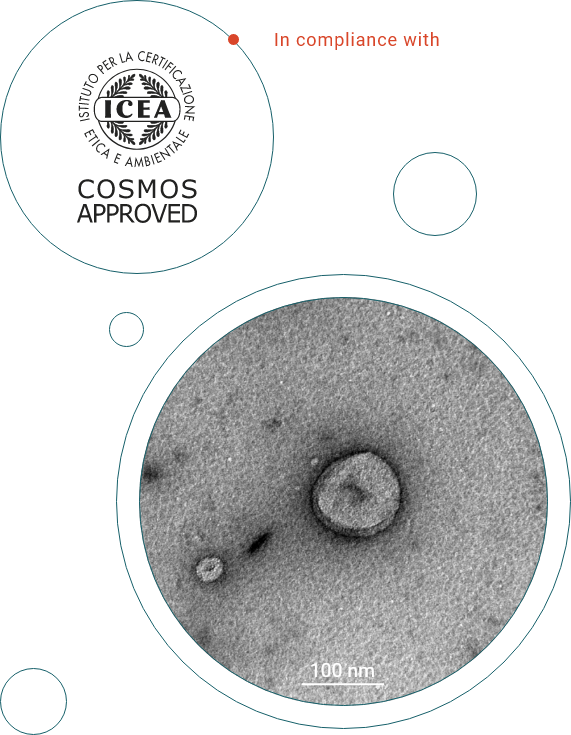
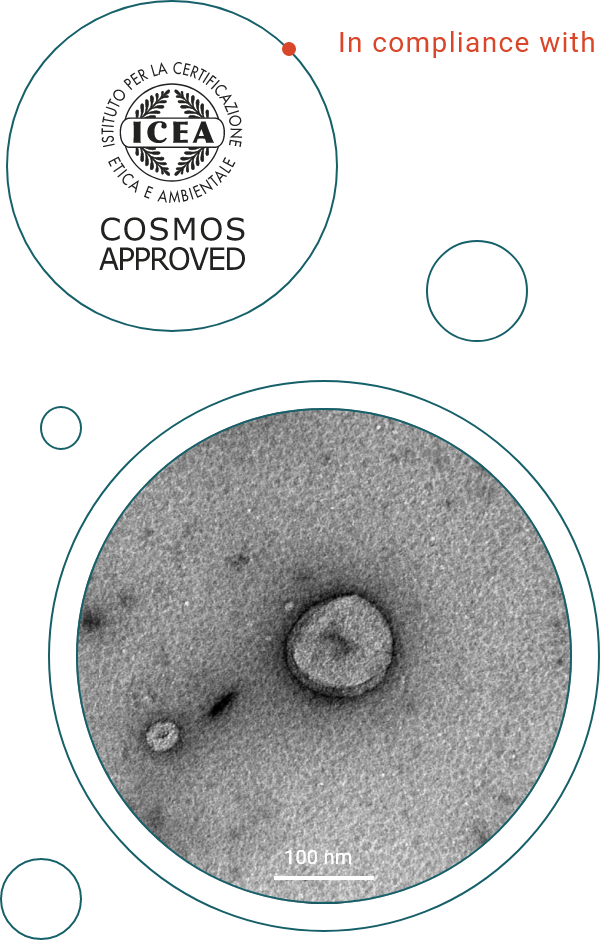
At ABR, we use our NATRISE® EXOSOME biotechnology to produce EVin OLEA, our Olea europaea exosomes from Olea europaea cell suspension cultures.
Product
Plant-derived Olea europaea exosomes (Olive tree)
Product name
EVin OLEA
INCI name
Glycerol, with INCI name Glycerin; Water, with INCI name Water; Exosomes, with INCI name Olea Europaea (Olive) Callus Extracellular Vesicles
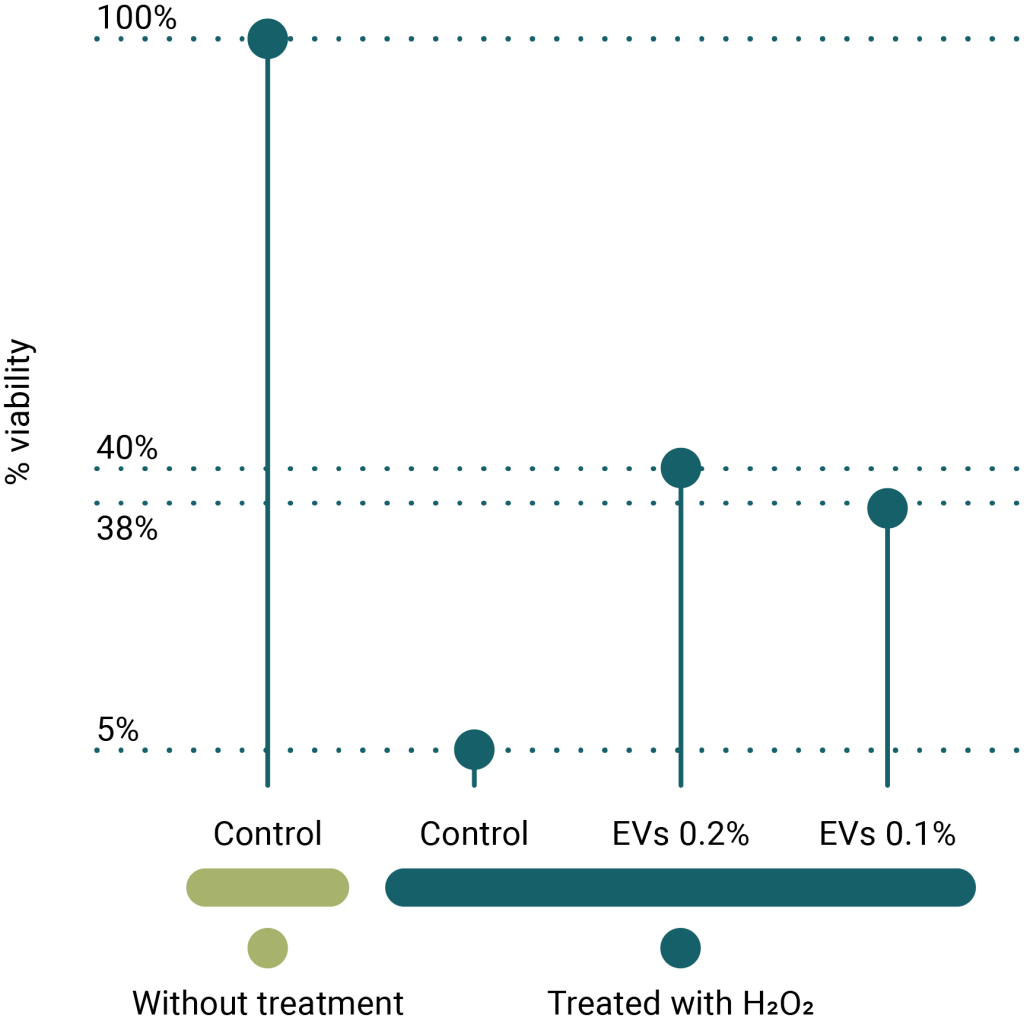
In-vitro tests confirmed the antioxidant, antiinflammatory, and cellular regeneration properties of our EVin OLEA.
Protection against oxidative stress.
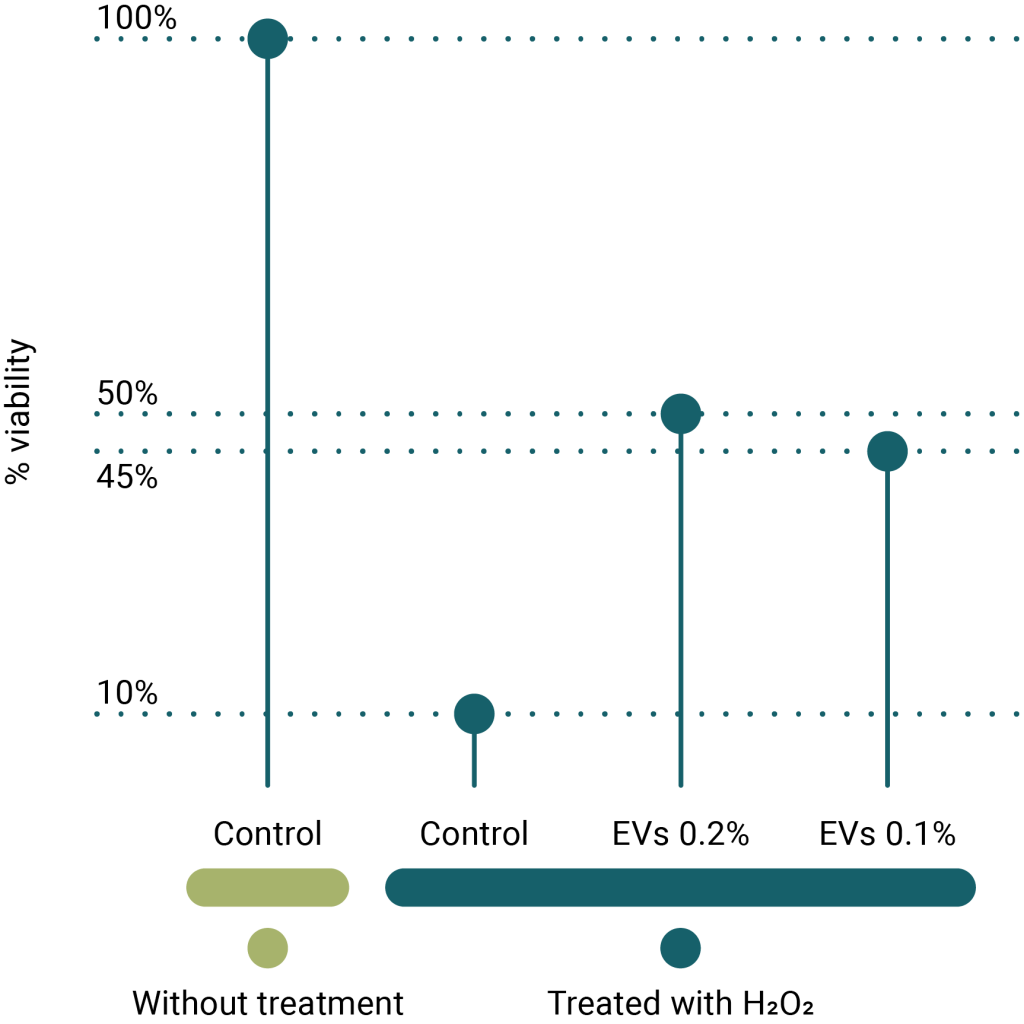
In-vitro tests on the survival of cells subjected to more or less intense and long-lasting oxidative stress were conducted to assess the ability of plant-derived Olea europaea exosomes to protect cells. To this end, we treated the cells with hydrogen peroxide for 2 and 24 hours. In both acute and prolonged oxidative stress, Olea europaea exosomes preserved high cell viability.